Scott
Modern design workflows are shifting rapidly as smart generation features become standard in corporate toolkits. However, this shift has brought a frustrating trend: rising SaaS bills and unexpected charges. Many teams do not realize the hidden costs associated with these platforms until they receive their end-of-month invoice. While automated design promises to save hours, complex tier pricing and credit structures can quickly break your budget. If you find yourself asking whether you are paying too much for your current subscriptions, this guide will analyze the actual expenses of design software and show how to build a highly cost-effective, unified design pipeline.
Part 1: The inflation of modern design software
For years, product teams have relied on specialized ui design tools to map out user journeys, build interactive mockups, and hand off assets to developers. Platforms like Figma, Sketch, Axure, and Adobe XD revolutionized how we collaborate. But as these tools matured, their pricing structures became increasingly complex.
Now, the introduction of artificial intelligence has added another layer of billing. Modern ai design tools promise to automate wireframing, generate code, and speed up layouts, but they rarely include these capabilities in their basic flat-rate plans. Instead, teams find themselves navigating freemium limits, purchasing additional credit packs, and paying premium fees for features that were once considered standard.
When every team member needs a creator seat, an AI addon, a developer handoff seat, and a virtual whiteboard license, the total cost of ownership becomes unsustainable for small and medium-sized businesses.
The real challenge is that software costs are no longer predictable. A team might start the year with a fixed software budget, only to find that scaling their output requires a sudden jump to an enterprise tier just to access basic administrative controls or collaborative workspaces.
As software providers look for ways to monetize their computing overhead, the true cost of these platforms is passed directly to the consumer through complicated, layered pricing schemes.
Part 2: Streamlining your stack: How Pixso controls design costs
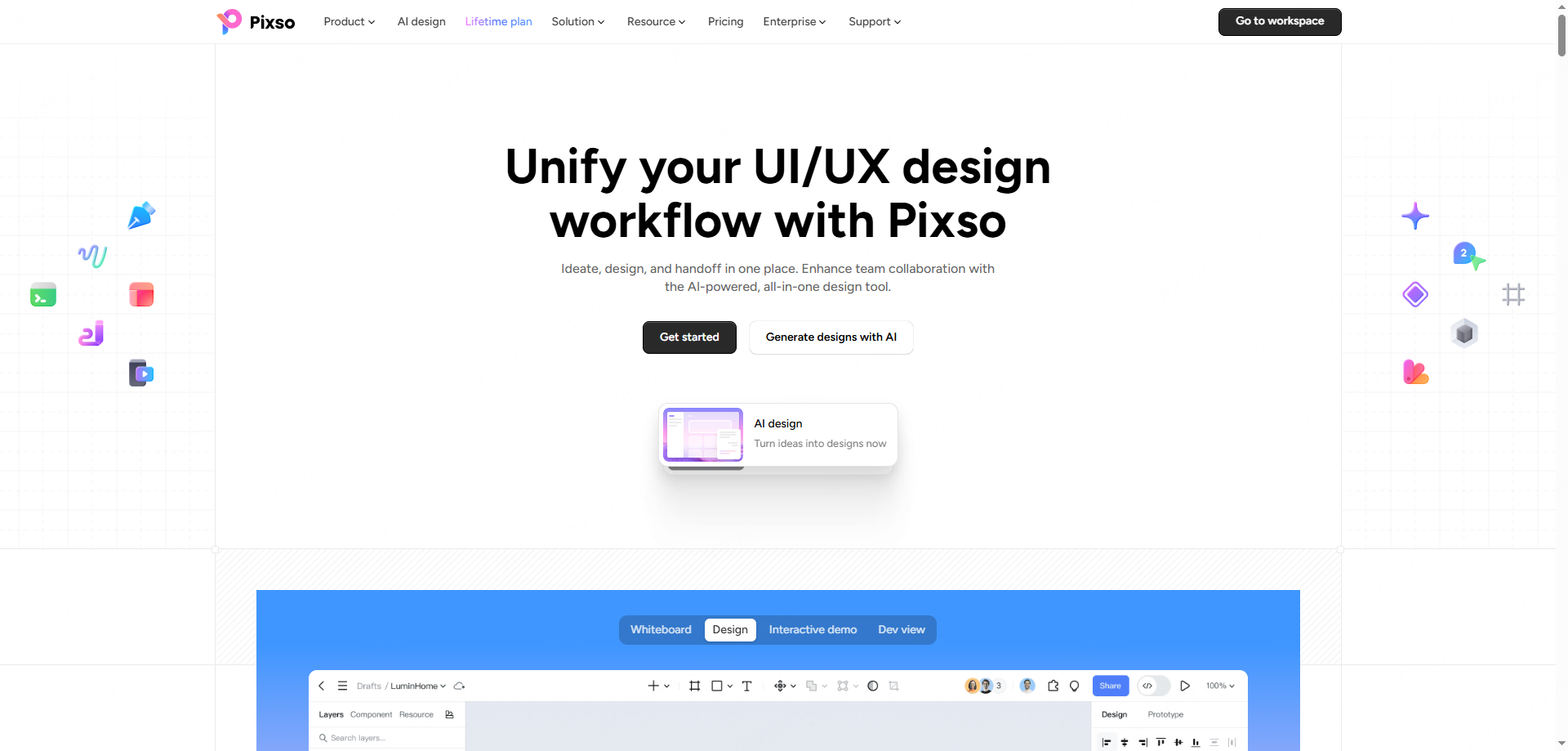
As teams look for budget-friendly alternatives, Pixso has emerged as an integrated platform that matches the capabilities of leading ai design tools while fixing their core pricing frustrations. Unlike traditional ui design tools that charge premium fees for minor add-ons, Pixso offers transparent, role-based pricing designed to protect your budget from scaling penalties.
| PIXSO COST SAVING SYSTEM |
|
Here is how Pixso directly addresses the primary financial pain points of modern design teams:
Eliminating Extra Fees for AI Quotas
With Pixso, you do not have to worry about running out of generation credits in the middle of a project. The platform includes generous AI capabilities, such as text-to-UI, code conversion, and chart generation, built directly into its plans. Credits are shared across the entire team or organization , eliminating the need to purchase separate AI credits for each user and avoiding additional costs. This removes the risk of overage charges and makes budgeting more predictable and transparent.
Transparent Team and Enterprise Subscriptions
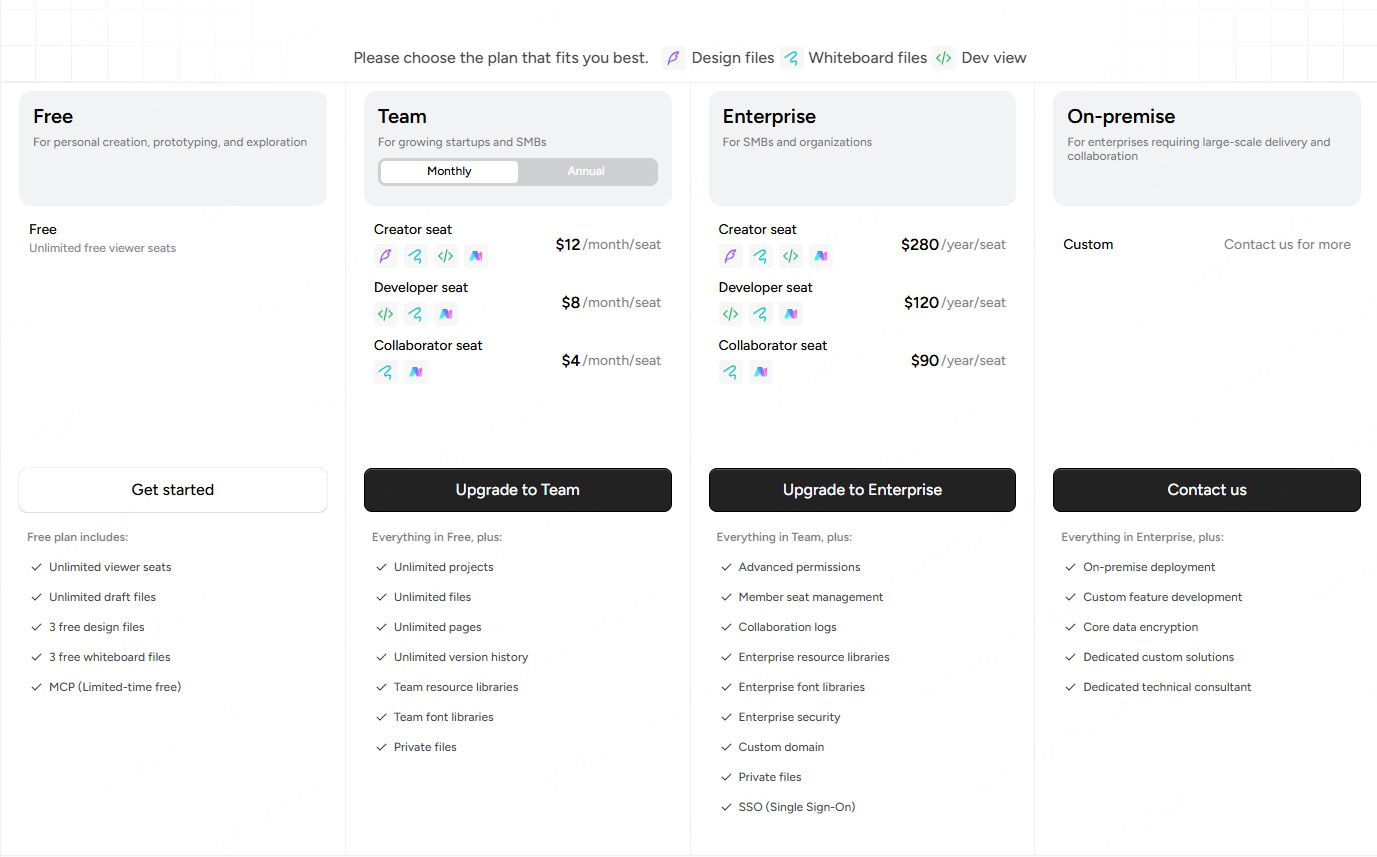
Pixso offers flexible monthly and annual options without high cancellation penalties. It provides unlimited free viewer seats for external clients or internal observers. Crucially, enterprise security features like Single Sign-On (SSO), member logs, and security audits are built directly into the core tiers instead of being sold as expensive, high-priced upgrades.
All-in-One Collaboration Workspace
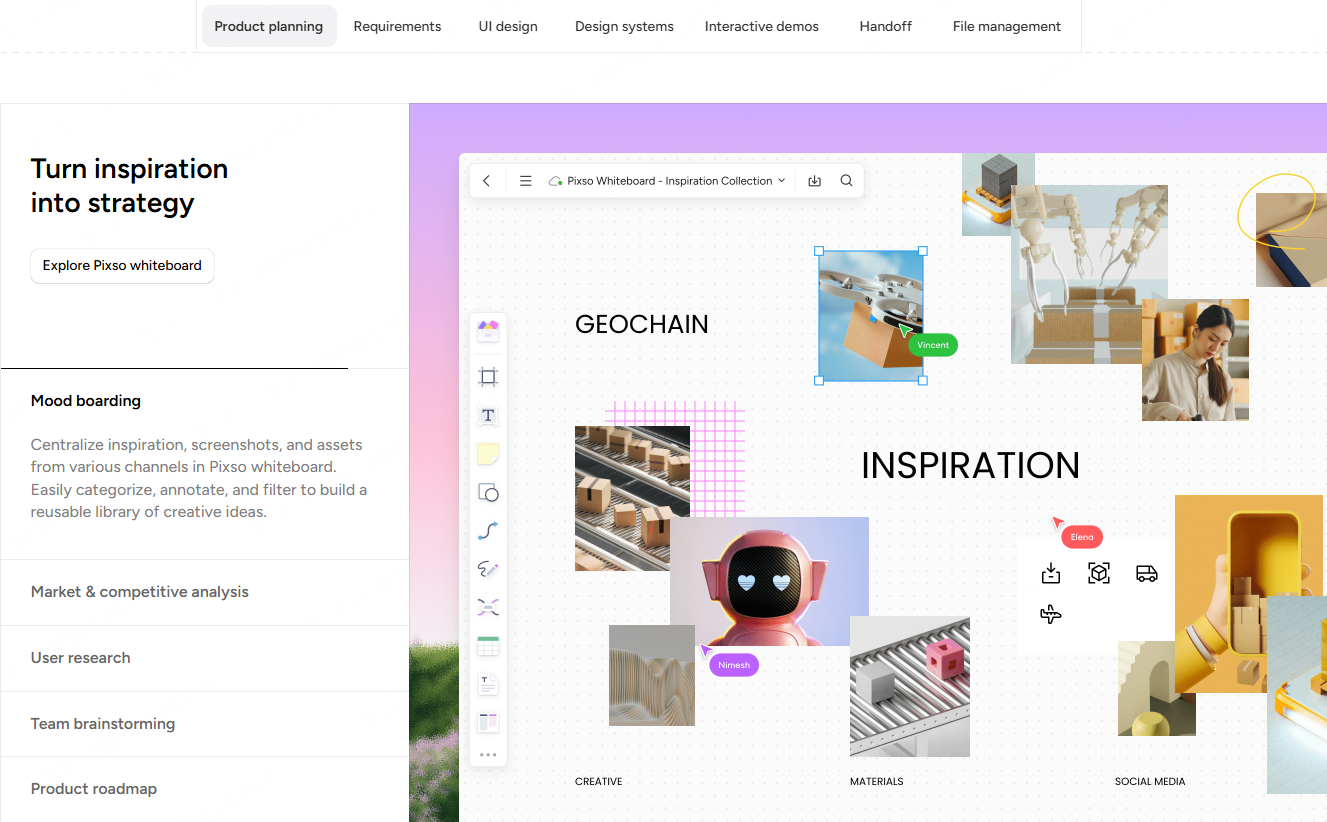
By combining digital whiteboards, product requirement documentation (PRD), vector design, interactive prototyping, and developer handoff, Pixso functions as a single, closed-loop ecosystem. You can completely eliminate the costs of subscribing to separate third-party review, mapping, and handoff utilities.
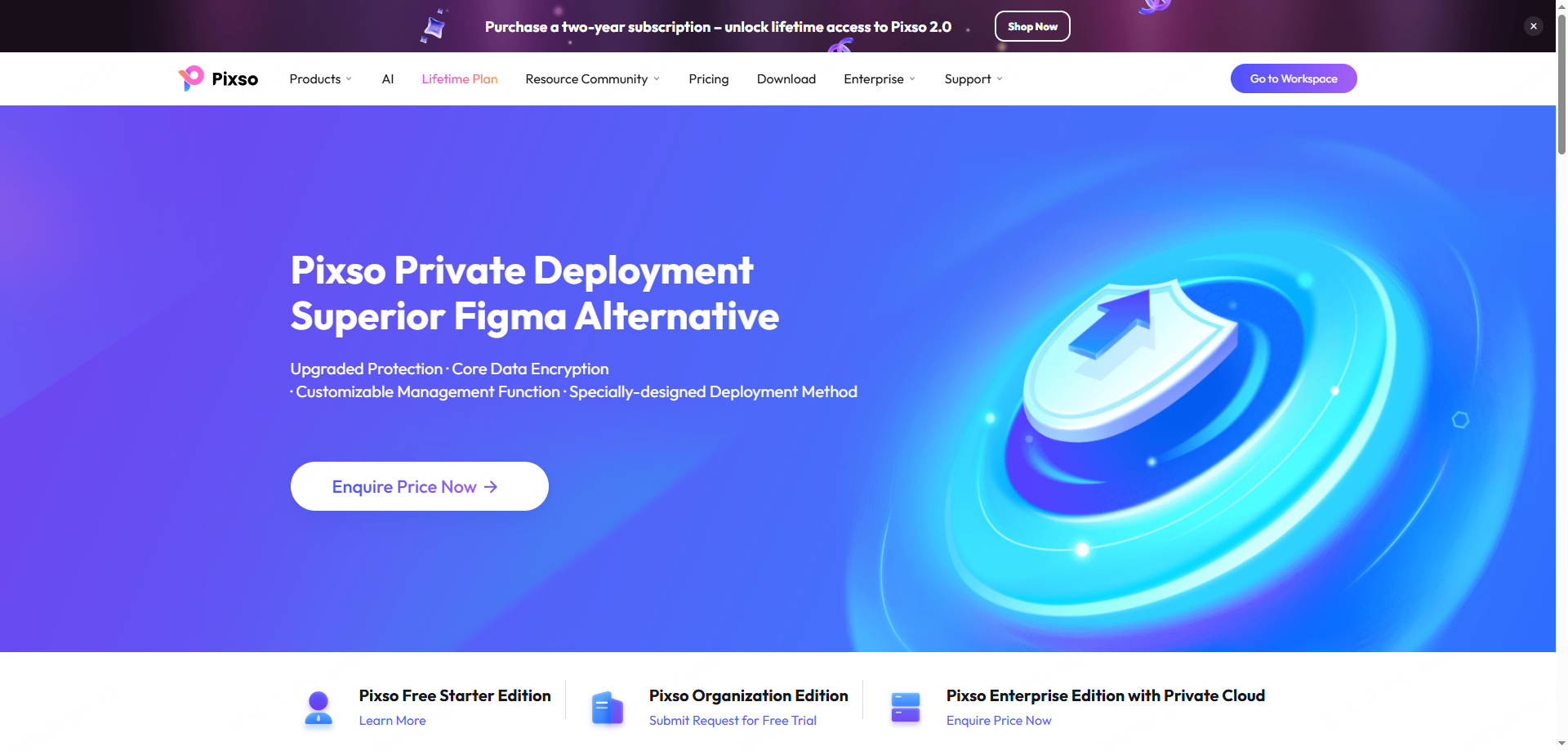
Flexible Deployment Options
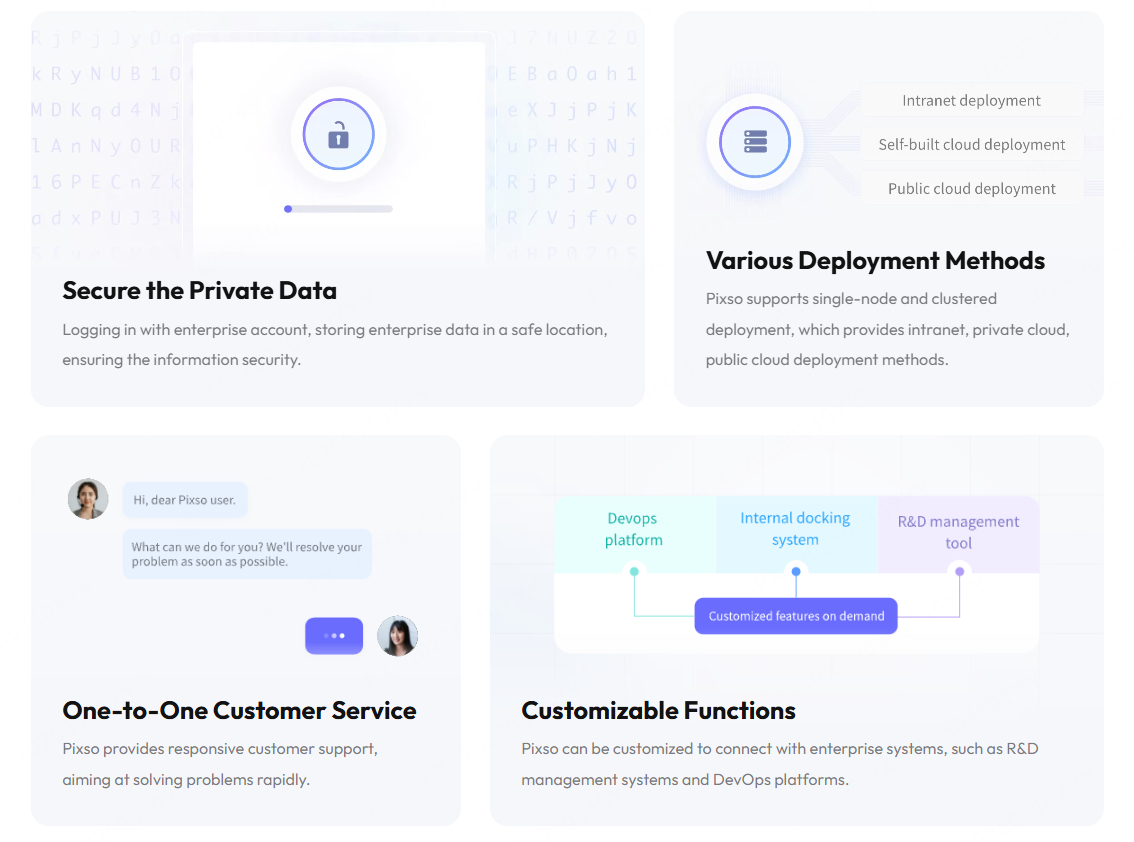
To avoid vendor lock-in and excessive data storage fees, Pixso offers both public cloud access and local private on-premise deployment. This gives you complete ownership over your design data and saves large sums on compliance audits.
Part 3: Unmasking the hidden costs of AI design tools
Let's analyze the hidden costs that show up on your monthly credit card statement. Many organizations fall into the trap of looking only at the baseline user license without calculating the supporting ecosystem costs.
The Complicated Economics of AI Generation
When evaluating the overall budget, the cost of ai generation itself is rarely straightforward. Most platforms operate on a credit or token system. You might get a certain number of runs per month, but once those are used up, the system forces you to purchase expensive add-on packs.
If your designer runs a prompt ten times to perfect a layout, those credits vanish quickly. This unpredictable cost of ai operations makes it hard for finance departments to plan ahead, turning what should be a time-saver into a variable financial liability.
Seat-Type Inflation and Collaborative Friction
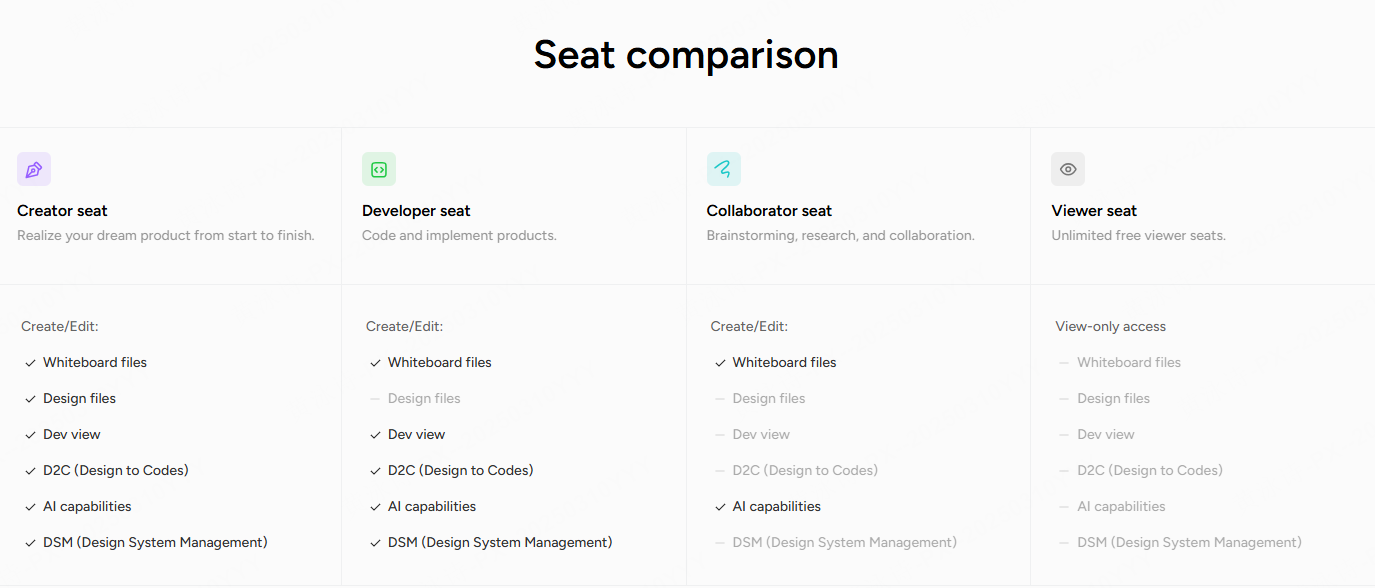
Another unexpected expense comes from restricted seat management. In many platforms, any stakeholder who leaves a comment on a design file is automatically upgraded to a paid editor seat, quietly inflating your monthly subscription cost.
Pixso avoids this by explicitly separating seats into Creators, Developers, and Collaborators, allowing you to pay only for the exact capabilities your team members need. If a team member only needs to review files and edit text on a whiteboard, they do not need an expensive creator license.
Tool Overlap and the SaaS Tax
While the baseline subscription cost of a tool might seem reasonable, the total bill often increases as you add seats. To complete a single project, teams often subscribe to a whiteboard tool for brainstorming, a documentation tool for specifications, a design program for wireframes, a prototyping tool for user testing, and a handoff tool for developers.
Over time, the cumulative subscription cost of these third-party integrations can exceed your core platform budget by hundreds of dollars per user, every single month.
Part 4: The hidden friction: Re-work, file compatibility, and training Hours
Beyond software licenses, there are significant indirect costs related to operational efficiency and design pipeline friction. These operational delays act as hidden costs that drain engineering hours and slow down your product launches.
| INDIRECT OPERATIONAL LOSSES |
|
Non-Standardized AI Output
Many generic generation tools produce beautiful visuals that are completely unbuildable. They ignore standard responsive grids, create non-standard components, and fail to generate clean CSS code. This forces your developers to spend days manually rebuilding the layout, erasing the time-savings promised by the generator.
Pixso’s AI tools are built on standardized overseas B-end and landing page guidelines, ensuring the code and layout parameters can be handed directly to developers without tedious re-work.
File Compatibility Hurdles
Most legacy ui design tools do not make file migration easy. If your agency partners use Sketch but your in-house team uses Figma, you waste hours exporting, repairing corrupted layers, and re-linking components.
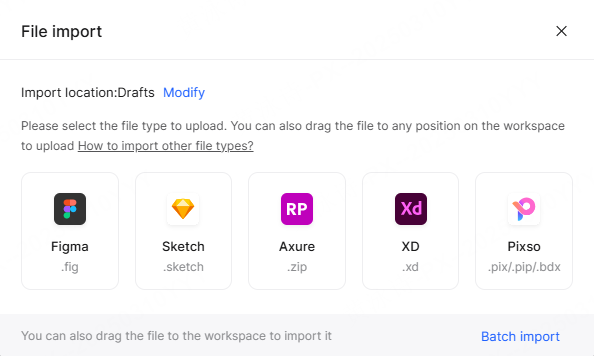
Pixso features native file compatibility, allowing you to import and edit Figma, Sketch, Axure, and Adobe XD files without losing your layout structures or component linkings.
Onboarding and Training Cycles
Implementing complex enterprise systems often requires weeks of employee training and certification. A tool is only useful if your team can use it effectively.
Pixso features an intuitive, industry-standard editor interface, ensuring your designers can transition from other software with zero learning curve or downtime.
Part 5: Vendor lock-in and data compliance costs
When choosing software, companies often forget to plan for exit strategies and compliance audits. Legacy systems are built to lock you in, making it difficult to extract your assets if their pricing changes.
Data portability is another area where companies face hidden costs when trying to switch systems. Some platforms limit your export options to flat images or proprietary file types that cannot be used anywhere else. If you decide to transition to a more affordable tool, you might have to spend hundreds of human-hours manually rebuilding your entire asset library from scratch.
Pixso mitigates this by supporting open file exports, allowing you to back up and transfer your vector files whenever you want.
Additionally, meeting strict international data privacy standards like GDPR, CCPA, or local financial regulations can require expensive third-party compliance audits. If your design tool only supports public cloud hosting on shared servers, your IT security team may reject it entirely.
Pixso’s private local deployment option allows security-conscious organizations to host their entire design environment internally, bypassing expensive compliance consulting fees and ensuring total data privacy.
Part 6: Quantifying the ROI of your design tool stack
To protect your business from scaling fees, you must build a clear framework to measure the total cost of ownership (TCO) and return on investment (ROI) of your design software.
By looking beyond the initial sticker price and measuring the total cost of ai and collaboration, you can protect your cash flow. Use this comparative framework to evaluate your current design stack expenses against a unified model:
| Cost Category | Legacy Multi-Tool Stack | Pixso Unified Ecosystem |
| Core Editor Licenses | Premium editor seat pricing with sudden increases | Flat, predictable role-based pricing with annual savings |
| AI Generation Fees | Pay-per-prompt or expensive credit package add-ons | Shared team credits; no overage fees |
| Developer Views | Premium charges for dev handoff and code inspection | Low-cost developer seats and free review links |
| Data Security & SSO | Locked behind enterprise-tier custom quotes | SSO and audit logs built directly into standard tiers |
When you evaluate your tools, remember to look at the total subscription cost across your entire department. A single subscription might look cheap, but when multiplied by forty employees and paired with extra charges for storage, security, and smart features, the true cost becomes clear.
Pixso provides transparent consumption dashboards, a risk-free full-featured trial, and stable long-term pricing, making it easy to project your design software budget for years to come.
Conclusion
Managing software budgets requires looking past basic monthly rates to find the true expenses hidden in add-on fees, credit limits, and complicated user tiers. Transitioning to a unified workspace like Pixso allows you to avoid unnecessary costs while gaining access to advanced cooperative tools and smart generative features. By simplifying your workflow and choosing tools with clear pricing, you can protect your bottom line and let your team focus on building great products.
![[Full Guide] Convert Figma to Sketch](https://cms.pixso.net/images/articles/convert-figma-to-sketch.png)


![[Full Guide] UI Design Prototyping](https://cms.pixso.net/images/articles/what-is-ui-design-prototyping.png)